

13 Nov How to optimise energy consumption in data centres
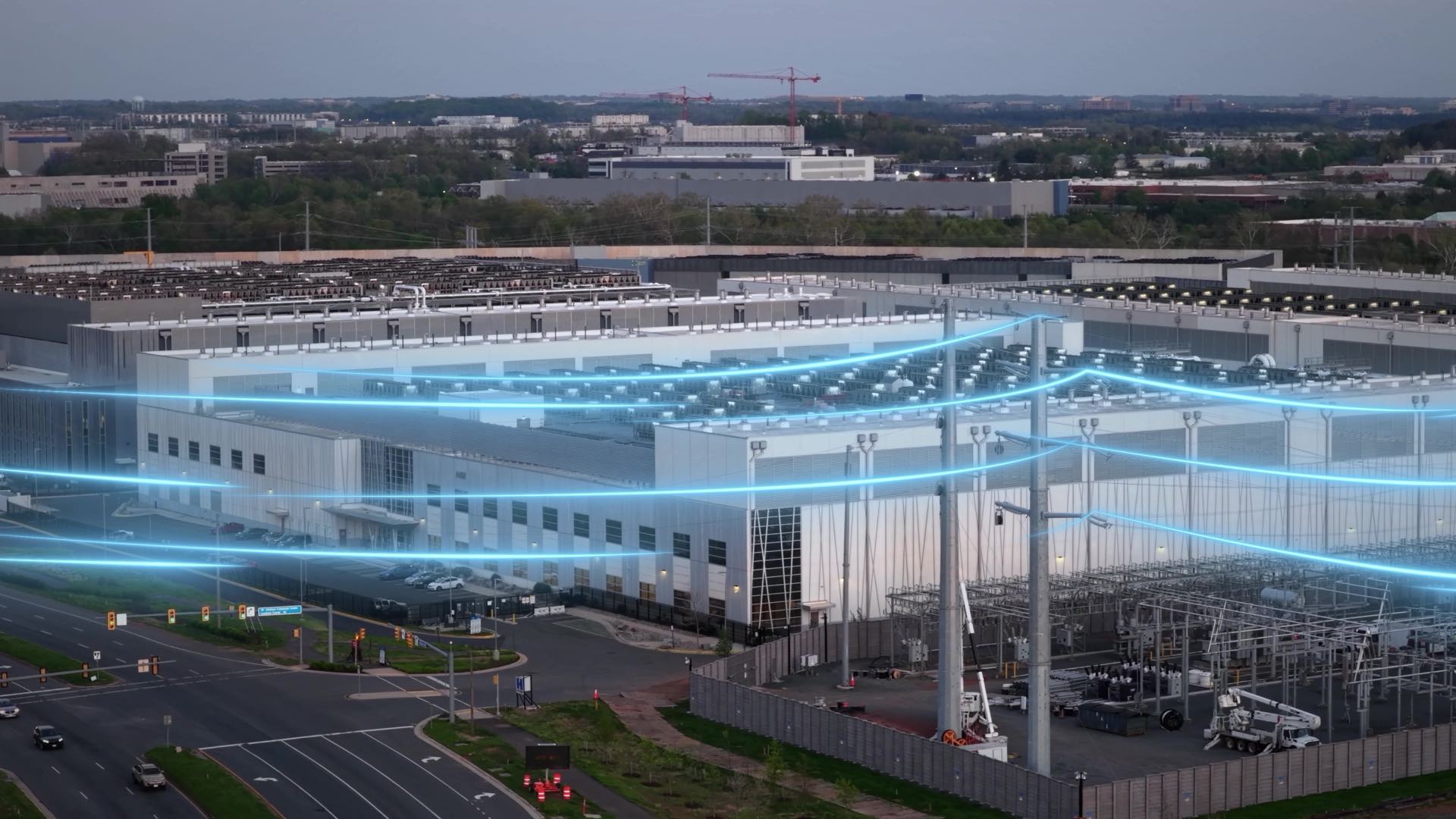
The exponential growth of artificial intelligence, cloud computing, and massive telecommunications traffic has placed physical digital infrastructure squarely under the environmental spotlight. At the heart of this engine sit data centres—mission-critical facilities whose surging global power requirements represent a major operational and financial challenge.
Moving towards more efficient operating models is no longer merely a regulatory requirement or a corporate responsibility pledge; it has become essential to ensure both the technical and financial viability of the entire IT sector.
The thermal and electrical equation: Tackling the cooling challenge
In large-scale computing facilities, incoming power feeds more than just motherboards, processors, and storage arrays. Traditionally, up to 40% of an entire facility’s electricity bill goes purely towards cooling server rooms to prevent catastrophic thermal throttling and hardware failure.
Seasonal shifts and intelligent thermal management
Conventional forced-air cooling displays severe inefficiencies, especially when servers run high-density workloads. Even during winter months, where lower ambient temperatures should reduce cooling requirements, the inability to implement smart free-cooling or manage cold/hot aisle containment effectively forces fans and chillers to run at unnecessarily high loads.
Optimising this requires deploying granular thermal monitoring systems powered by predictive analytics, alongside direct-to-chip liquid cooling architectures that remove heat far more effectively than air-based solutions.
Towards passive architectures: Photonics over electrical links
A substantial portion of the heat generated within server racks originates from copper interconnects and transceivers bridging servers, top-of-rack switches, and storage systems.
The transition to low-power optical transmission
Replacing electrical signal paths with photonics and passive optical networks drastically reduces internal line resistance. By leveraging passive optical components that require no active power for short- to medium-distance conversions, operators achieve two direct benefits:
- Immediate rack-level heat reduction: Generating fewer thermal watts lowers the mechanical burden placed on overall cooling systems.
- Lower net power consumption per bit transmitted: Light transports massive data densities using a fraction of the electricity demanded by traditional cabling.
Upgrading the internal physical transmission layer is an indispensable step towards creating truly sustainable data centres.
Consolidation into neutral nodes: Phasing out legacy server rooms
Many enterprises still maintain small on-premises server rooms across corporate facilities. These legacy spaces rarely feature the thermal insulation, scalability, or environmental certifications of purpose-built facilities, frequently exhibiting Power Usage Effectiveness (PUE) scores twice the market average.
Decommissioning these in-house rooms to consolidate workloads into modern colocation hubs and neutral facilities improves systemic enterprise efficiency. Neutral colocation data centres operate with economies of scale that justify high-efficiency infrastructure investments, run on 100% renewable power contracts, and deliver closely monitored thermal containment.
Backbone connectivity and energy commitment: lyntia’s role
A data centre’s overall energy footprint is fundamentally linked to how efficiently data enters and exits its halls. If terrestrial transmission corridors are inefficient or require constant electronic regeneration hops, the wider digital supply chain suffers.
lyntia’s dark fibre network and neutral wholesale services serve as a clean, highly efficient transit corridor connecting major processing hubs across the Iberian Peninsula. By deploying state-of-the-art, low-attenuation single-mode fibre, data travels across extensive distances with minimal need for intermediate electro-optical amplification.
This neutral, ultra-high-capacity infrastructure provides operators, hyperscalers, and enterprises with a direct, robust, and energy-conscious path to connect current facilities with future-ready data centres.