

27 Mar What is telemedicine and how is 5G making it possible?
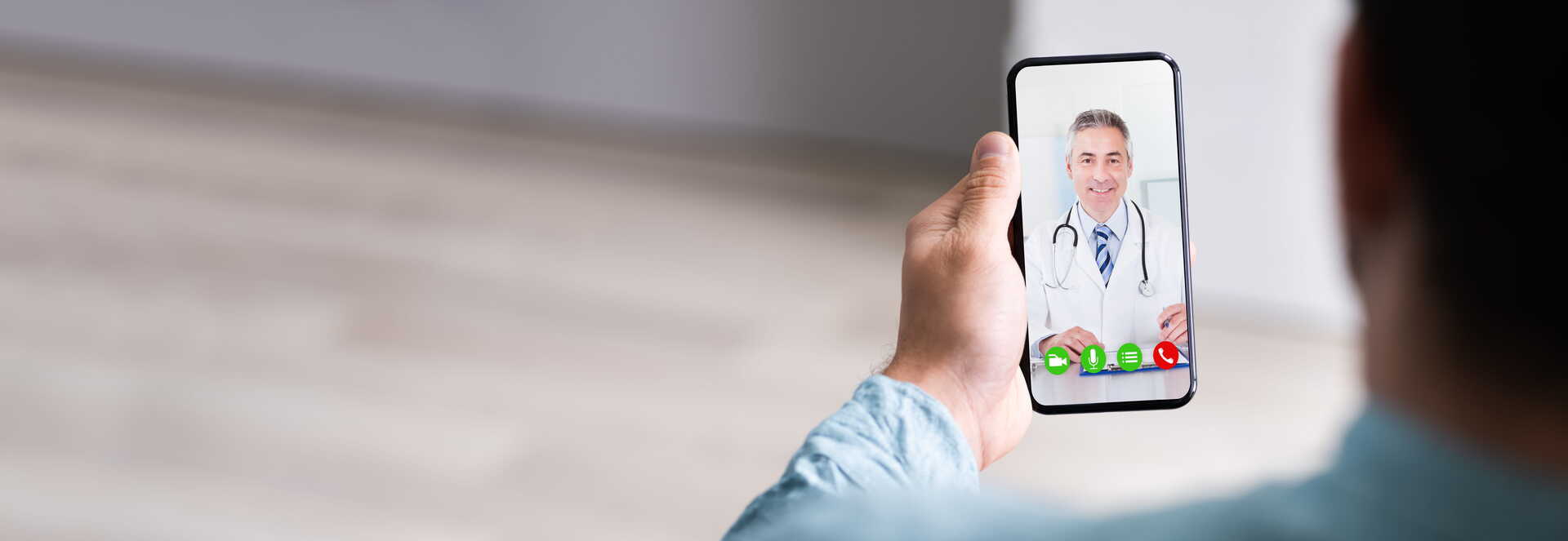
Digitalization has transformed entire industries, but perhaps none as vitally as healthcare. When asking ourselves what telemedicine truly is, we must look beyond the simple concept of a video call with a doctor. Advanced telemedicine represents the ability to perform complex AI-driven diagnostics, persistent chronic monitoring, and even surgical interventions from thousands of miles away.
In the landscape of telemedicine in Spain, the rollout of next-generation networks is marking a turning point, ensuring that geographical location is no longer a barrier to accessing medical excellence.
The importance of 5G: More than just speed, it’s real-time
To understand the importance of 5G in healthcare, we must talk about latency. In conventional surgery, a surgeon receives instantaneous tactile and visual feedback. In 5G-powered telemedicine, if a surgical robot receives a command with a delay of even a few milliseconds, the success of the operation is compromised.
5G provides the capacity to connect hundreds of medical devices per square meter and, crucially, reduces response times to levels imperceptible to the human eye. This is what makes the use of surgical robots a safe, tangible reality in our hospitals.
The inseparable duo: 5G and fiber optics
There is a widespread misconception that 5G is a purely wireless technology. However, 5G and fiber optics are two sides of the same coin. 5G is only wireless in the “last mile” (from the antenna to the device or robot). Behind that antenna, a high-capacity fiber optic network—such as lyntia’s—is essential to transport the massive volume of data generated by high-definition medical imaging or real-time telemetry streams.
Without the strength of the fiber connecting hospitals and base stations, the 5G signal would lack the necessary “breath” to maintain the stability that a human life demands.
Democratizing healthcare in Spain
One of the greatest benefits of telemedicine in Spain is territorial cohesion. The combination of advanced mobile connectivity and fiber optic networks allows a leading specialist based in Madrid or Barcelona to supervise or operate on a patient in a rural area.
This “democratization” of high-level medicine is only possible thanks to a professional infrastructure that guarantees:
- Absolute stability: Preventing micro-outages that would be fatal during a critical diagnosis.
- Throughput capacity: Allowing the instantaneous transfer of heavy files (such as 3D MRIs).
- Security: Private networks that safeguard the extreme privacy of clinical data.
Conclusion: A connected future to save lives
Understanding what telemedicine is today implies recognizing that healthcare no longer resides solely within the hospital, but within the network that sustains it. lyntia’s infrastructure acts as the invisible yet indispensable backbone that allows medical talent to reach wherever it is needed most, turning technology into a tool for universal well-being.